


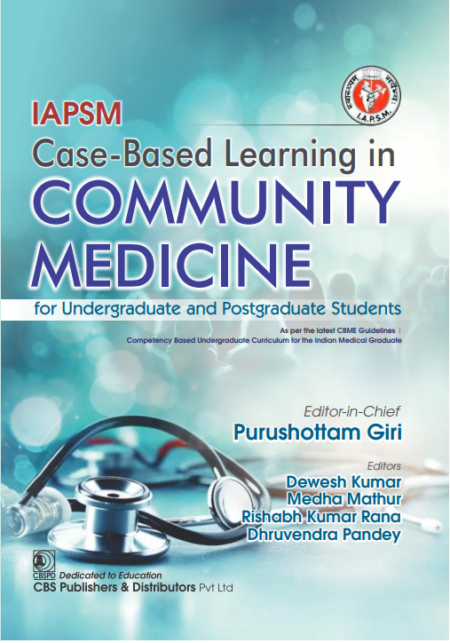
Salient features of the book Interactive Learning Approach : The book emphasizes an interactive and dynamic approach to learning community medicine through real-life case studies. Practical Application : Each case study presents a practical scenario from the field of community medicine, bridging the gap between theory and real-world practice. Critical Thinking : The book promotes critical thinking skills as readers analyze cases, make diagnoses, and formulate appropriate interventions based on the given information. Problem-Solving Skills : Readers develop problem-solving skills by engaging with complex cases that require consideration of various factors such as social determinants of health, cultural context, and resource limitations. Multi-Disciplinary Approach : Cases often require collaboration across disciplines, fostering an understanding of the importance of teamwork and interdisciplinary cooperation in community healthcare. Cultural Sensitivity : Case studies often touch on cultural and social aspects, helping readers develop cultural sensitivity and awareness in delivering community healthcare services. Patient-Centered Care : By analyzing cases from a patient-centered perspective, readers learn to tailor interventions to the unique needs and preferences of individuals and communities. Skill Progression : Cases are structured to progressively challenge readers, starting with foundational concepts and gradually advancing to more complex and nuanced scenarios. Self-Directed Learning : The case-based approach encourages self-directed learning, enabling readers to explore topics at their own pace and depth. Discussion and Reflection : Each case study is followed by discussions, questions, and prompts that promote reflection, encouraging readers to analyze their decision-making process.


24 Support
+91 1234567890
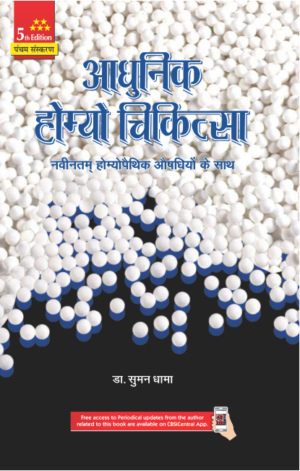
Adhunik Homeo Chikitsa
-20%₹292.50 ₹234.00

Microbiology Practical Manual
-20%₹625.00 ₹500.00
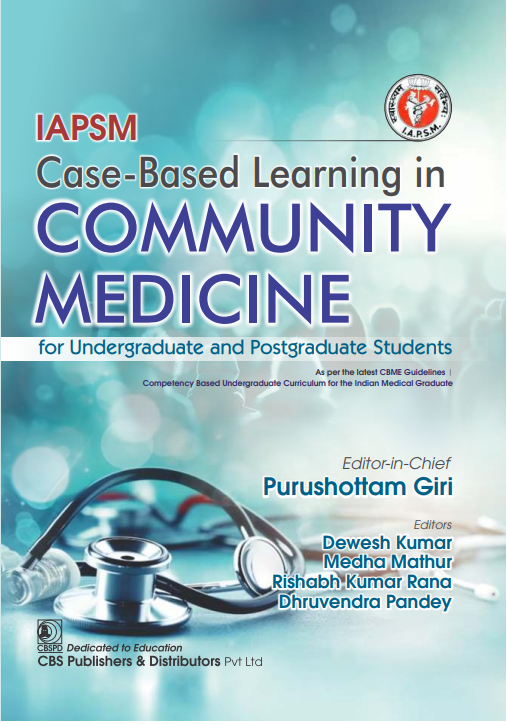
IAPSM Case–Based Learning in Community Medicine for Undergraduate and Postgraduate
-20%₹292.50 ₹234.00



















Reviews
There are no reviews yet.